

The regulatory landscape for mobile games in the United Kingdom presents intricate challenges for developers like those behind the Chicken Road Game. Adhering to strict licensing requirements is crucial, not only to guarantee compliance but also to foster player trust and security. As the game maneuvers through age ratings and GDPR regulations, the implications of any oversight could profoundly affect its market viability. Consequently, understanding these regulations is fundamental to prevent potential pitfalls. What steps must be taken to attain full compliance? https://chicken-road-games.eu/
Overview of the UK Gaming Regulatory Framework
While the UK gaming regulatory structure is thorough, it serves to guarantee player protection and fair play in the gaming industry. The system is primarily governed by the UK Gambling Commission, which imposes rigorous licensing requirements on operators to ensure compliance with legal standards. This structure includes the Remote Gambling and Software Technical Standards, focusing on game fairness, transparency, and security. Moreover, the regulations require regular audits and player data protection measures, significantly reducing the risk of fraud and abuse. Additionally, the system highlights responsible gambling, implementing features that promote player self-exclusion and deposit limits. Essentially, the UK’s regulatory strategy balances commercial interests with consumer safeguards, reinforcing integrity within the gaming market.
Licensing Requirements for Mobile Games
Licensing requirements for mobile games in the UK depend on strict game classification standards and age rating regulations. These elements ensure that all mobile games, including Chicken Road, meet set safety and appropriateness criteria for players. Understanding these requirements is vital for developers aiming to navigate the regulatory environment efficiently.
Game Classification Standards
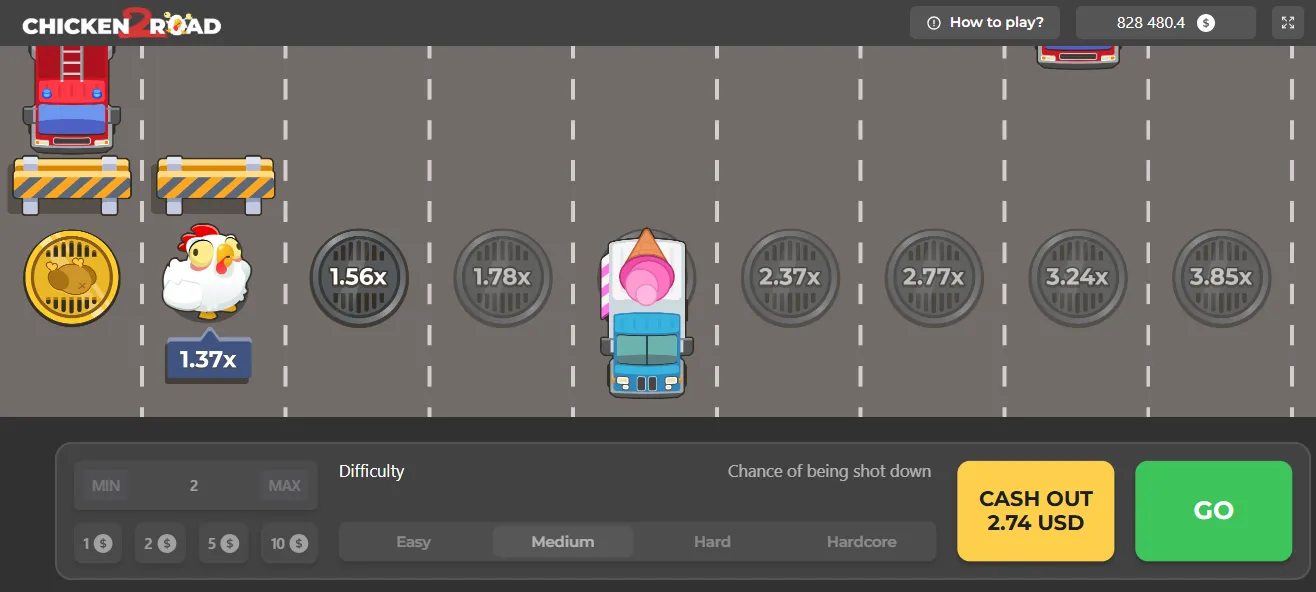
When a mobile game like Chicken Road seeks distribution in the UK, it must adhere to specific game classification standards that guarantee compliance with lawful and moral regulations. The British Board of Film Classification (BBFC) and Pan European Game Information (PEGI) provide systems evaluating content suitability. These systems evaluate factors such as violence, sexual content, and language, ensuring clarity for parents and players. Developers face responsibilities to deliver transparent information about the game’s themes and mechanics, promoting educated consumer choices. Additionally, consistency with merchant policies on app stores is essential. Failure to comply with these standards may result in penalties or barriers to market entry, thereby jeopardizing the game’s potential success in the challenging UK gaming environment.
Age Rating Regulations
How do age rating regulations impact the distribution of mobile games like Chicken Road in the UK? These regulations, enforced by organizations like the Video Standards Council, dictate the appropriate age demographic for game content. Such classifications help developers align their marketing strategies, ensuring they target appropriate audiences and comply with legal standards. Without proper ratings, distribution channels may refuse to host the game, severely limiting accessibility. Additionally, age ratings inform parents and guardians about potential risks, influencing their purchasing decisions. For Chicken Road, adherence to these regulations is vital for widespread acceptance and commercial success, as violating them could result in fines or forced withdrawals from digital platforms, undermining brand integrity and consumer trust.
Age Ratings and Consumer Protection Measures
While the Chicken Road game aims to attract a broad group, its age ratings and consumer protection measures are crucial in ensuring that players experience the content appropriately. Enforcing strict age ratings helps diminish exposure to inappropriate material, protecting younger audiences. Additionally, consumer protection measures foster a more reliable gaming environment, thereby enhancing user experience.
- Clear age rating classifications aid parents in making informed decisions.
- Regular content reviews ensure compliance with developing standards.
- Transparent reporting mechanisms empower players to convey concerns.
These strategies not only promote ethical gaming practices but also strengthen the industry’s reputation, ultimately aiding a equitable relationship between developers and consumers in the constantly evolving gaming environment.
Compliance With GDPR and Data Privacy Regulations
In the context of ethical gaming practices and user trust, compliance with GDPR and data privacy regulations is a top priority for the Chicken Road game. The development team implements strict data protection measures, assuring that all personal information is handled lawfully and transparently. Users are informed of their rights, including the ability to get, rectify, or erase their data, fostering a sense of control and security. The game uses strong encryption methods to secure sensitive data against illicit access. In addition, regular audits evaluate compliance adherence, while user consent mechanisms are explicit and straightforward. By prioritizing GDPR compliance, Chicken Road not only complies with legal obligations but also builds a foundation of trust with its player base, ultimately enhancing user loyalty.
Responsible Gaming Initiatives in the UK
As participants engage with the Chicken Road activity, the importance of responsible gaming measures in the UK becomes increasingly clear. These initiatives are designed to mitigate risks linked to gaming and encourage a safe environment for gamers. Key elements include:
- Self-Exclusion Programs
- Deposit Limits
- Access to Support Services
These actions not only ensure player safety but https://www.ft.com/content/dc09667b-f8cb-4904-b790-a8d6cdf47edd also enhance the integrity of the gaming setting. By adhering to responsible gaming guidelines, both developers and participants contribute to a healthier gaming community that focuses on well-being over simple entertainment.
Consequences of Non-Compliance for Developers
Non-compliance with licensing regulations can lead to severe legal penalties and fines for creators of the Chicken Road Game. Such violations not only cause financial burdens but also endanger a developer’s reputation and erode trust among customers. Grasping these outcomes is essential for organizations wanting to thrive in a competitive gaming sector.
Legal Penalties and Fines
Failure to follow licensing requirements for the Chicken Road Game can result in significant legal repercussions for developers. These penalties can severely influence their operational capacities and financial position. Designers must comprehend the importance of compliance to prevent various results, including:
- Fines
Comprehending these legal penalties helps developers steer through the complexities of adherence and safeguard their commercial interests effectively.
Reputation Damage and Trust
Confidence is a cornerstone of any thriving gaming enterprise, and when developers neglect to comply with licensing regulations for the Chicken Road Game, they jeopardize irreparable damage to their standing. Non-compliance diminishes player confidence, as players view licensed games as accountable and safe. The possible consequences comprises negative reviews, social media backlash, and reduced user engagement, all of which weaken the brand’s reputation. Developers may also face reduced partnerships with distributors and sponsors who prioritize compliance. Excelling in the gaming sector requires an unwavering commitment to regulatory adherence, as standing depends on trustworthiness. Ultimately, the long-term consequences of harm to reputation often outweigh any short-term gains from non-compliance, making meticulous adherence of licensing obligations crucial for enduring success.

Summary
In closing, the Chicken Road Game must traverse a intricate regulatory environment to secure compliance with the UK Gambling Commission’s standards. By acquiring the relevant licenses, enforcing strict age ratings, and complying with data privacy regulations, developers can cultivate a safe gaming environment. Additionally, supporting responsible gaming initiatives boosts consumer trust. Failure to comply with these regulations could cause significant penalties, underscoring the importance of continuous diligence and transparency throughout the game’s lifecycle.
