
People with comorbid or pre-existing mental health conditions like social anxiety disorder or generalized anxiety disorder might find that alcohol worsens their symptoms. While in the moment, alcohol might seem to mask issues, but often, the rebound effect will intensify anxiety in the end. Alcohol use disorder (AUD) often co-occurs with other mental health disorders, including anxiety disorders. The prevalence of anxiety, as well as depression, trauma and stress-related disorders, and other substance use disorders, is much higher among persons with AUD compared to the general population.
Alcohol And Panic Attacks
They guide our mission as accomplished individuals dedicated to improving the landscape of addiction recovery what is alcoholism and mental wellness. Mixing other drugs with alcohol can also increase the risk of hangxiety. This is especially true for party drugs, such as ecstasy or MDMA, that give you a temporary high but can lead to anxiety as they wear off and you are coming down.
Heavy drinking
Try instead to replenish your body with a lot of water and a meal rich in fruits and vegetables. To gain more insight into whether you have an anxiety disorder, check out our diagnostic test. Alcohol is a depressant and a sedative, so it may make you feel relaxed or even sleepy. While under the influence of alcohol, you may release your inhibitions, feel your mood improved, and enjoy yourself. 💙 The intensity of hangxiety depends on factors like alcohol type, amount, genetics, and how well your body processes stress and alcohol.
Signs of alcohol use disorder in individuals with anxiety
Several factors can influence the severity of drinking-related anxiety, including the amount of alcohol consumed, individual susceptibility, and overall mental health or comorbid conditions. When you’re actively drinking, alcohol can temporarily reduce anxiety symptoms by depressing the central nervous system. Then, as your body metabolizes the alcohol and the effects of heavy drinking wear off, you can experience what’s called a rebound effect. This is when stress hormones actually increase, resulting in heightened anxiety. Alcohol can induce panic because of its effects on GABA, a chemical in the brain that normally has a relaxing effect. Small amounts of alcohol can stimulate GABA and cause feelings of relaxation, but heavy drinking can deplete GABA, causing increased tension and feelings of panic.
“Blacking out,” or experiencing mild to complete memory loss after heavy drinking, can also occur. It’s not uncommon or unexpected to feel regret when this happens—you may feel regretful about what you said or did to others, or nervous that they will judge you for your https://ecosoberhouse.com/ behavior. These feelings can naturally increase overall feelings of anxiety in daily life.
According to the NIAAA, anxiety and other psychiatric disorders are common among those with AUD. AUD and psychiatric conditions may exacerbate each other, so it is possible for alcohol to worsen anxiety. A 2022 longitudinal study highlights a bidirectional relationship between AUD and anxiety disorders. The authors suggest someone with AUD has a higher risk of developing an anxiety disorder and vice versa.

Have a sober hang with friends, go on a hike or walk, read a book, or host a movie or Netflix night. However, treating most alcoholics’ depressive symptoms might not require the use of antidepressant medications. These medications are not needed to help clear an alcohol-induced mood or depressive disorder. In fact, with abstinence the depressive symptoms why does alcohol cause anxiety are likely to improve in a shorter period of time than would be required for an anti-depressant to take effect (Brown and Schuckit 1988; Powell et al. 1995).
- This is possibly because of the effects of alcohol abuse, which can actually change brain activity.
- The integrated treatment of co-occurring AUD and anxiety disorders is necessary for adequate symptom management.
- In extreme cases, alcohol can permanently affect your ability to retain new information.
- When this wears off, we typically see a rebound effect where anxiety levels spike.
Why Does Hangxiety Happen?
She is passionate about women’s mental health, life transitions, and stress management. Her clinical work, advocacy, and volunteer service have focused on working with domestic violence survivors and conducting mental health research in over 30 countries. Natural remedies for anxiety — like hobbies, relaxation techniques, or being creative — can be very effective coping strategies that help you reduce reliance on alcohol.
- As the alcohol wears off, we are left with an overstimulated nervous system which can lead to intense feelings of anxiety as well as panic attacks.
- Not only does alcohol worsen anxiety, but your anxiety level can stay high for a long time after you stop drinking.
- Occasionally unwinding with alcohol isn’t necessarily dangerous if your doctor approves.
- Hangover anxiety doesn’t happen to everyone and, if you’re someone who experiences it, you’re probably wondering why.
Hangxiety
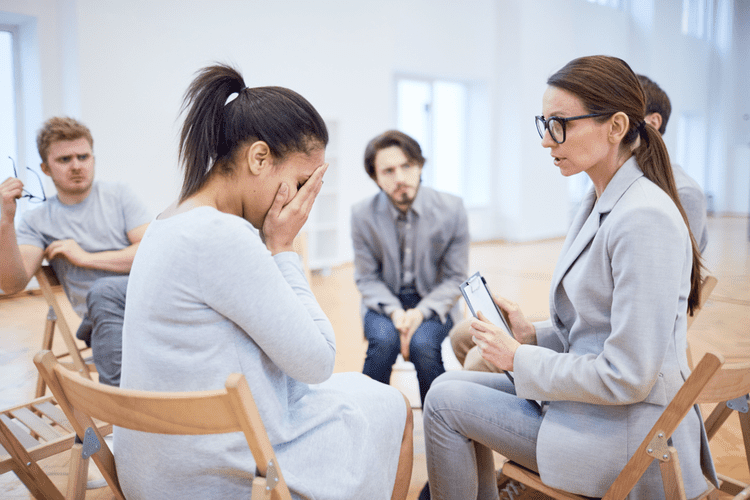
Try zooming out and widening the lens of your awareness to put anxious feelings in perspective. Meditation, especially in the form of mindfulness, has been proven effective at reducing anxiety levels. Mindfulness is the practice of watching your thoughts arise and pass away without judgment or entanglement. You may be worried about what you said to people or how you acted when you were intoxicated. The worry might even be so intense that it wakes you up from sleep when the alcohol is leaving your system.
Symptoms and Types of Anxiety
Anxiety in early recovery is often baseline anxiety that existed before developing unhealthy drinking habits and getting sober. When removing alcohol as our coping mechanism, it’s important to get a new anxiety-management tool in the toolbelt to replace it. So in short, while alcohol may temporarily ease anxiety, it can worsen it over time. Chronic use alters brain chemistry, leading to dependence and increased anxiety when not drinking. But when you use a drug often enough, your brain starts to turn towards the drug to cope and you can actually lose even more of your ability to stop panic attacks without the assistance of a substance. Eventually, when you don’t drink alcohol, you may also suffer from panic attacks even more often than you did before drinking, especially if you drink every day or to numb your anxiety.
